Introduction
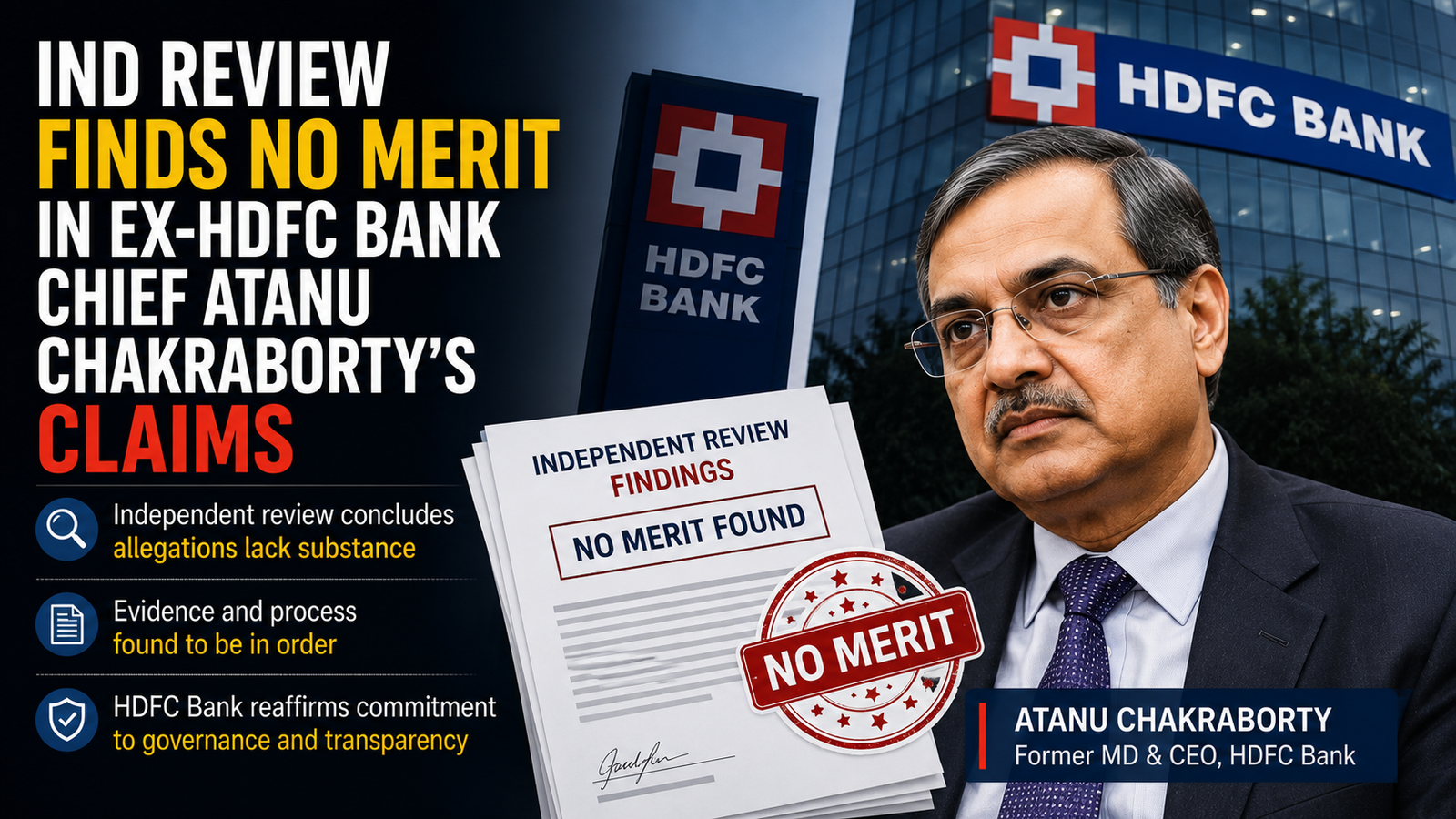
Recently, an independent review by Ind examined claims made by Atanu Chakraborty, the former chief of HDFC Bank. The review concluded that there was no merit in the allegations or assertions presented by Chakraborty. This article aims to explain the context, the significance of such reviews, and what readers should know about claims related to corporate governance in the Indian banking sector.
Who is Atanu Chakraborty?
Atanu Chakraborty is a well-known figure in India's financial and administrative sectors. Before his association with HDFC Bank, he served in various capacities within the Indian government and financial institutions. His leadership roles have often placed him in the limelight, making any claims or statements he makes subject to public and media scrutiny.
What Were the Claims About?
While the specifics of Chakraborty’s claims are not the focus here, it is important to understand that such claims often relate to governance issues, operational concerns, or strategic decisions within a bank. When a former chief raises concerns or allegations, it naturally attracts attention given their insider perspective.
Understanding the Ind Review
Ind is an independent entity that conducts reviews and investigations to verify claims, especially those related to corporate and financial matters. Their review process typically involves:
- Examining relevant documents and data related to the claims.
- Interviewing involved parties and experts.
- Cross-verifying facts with publicly available information.
- Assessing the claims against regulatory and legal frameworks.
In this case, the review found no substantial evidence supporting Chakraborty’s claims, leading to the conclusion that they lacked merit.
Why Are Such Reviews Important?
Banking institutions like HDFC Bank play a crucial role in India’s economy. Transparency and trust in their governance are vital for customer confidence and the overall health of the financial system.
Independent reviews help:
- Ensure accountability of leadership and management.
- Protect stakeholders’ interests by verifying claims before taking action.
- Maintain public trust by clarifying misunderstandings or misinformation.
What Can Readers Do?
For ordinary readers and customers, it is important to:
- Stay informed: Follow credible sources and official statements rather than relying on unverified claims.
- Understand the process: Recognise that claims, especially from former executives, require thorough investigation before conclusions can be drawn.
- Exercise caution: Avoid spreading unconfirmed information that can cause unnecessary concern.
When to Be Cautious
While independent reviews are thorough, no process is entirely free from limitations. Readers should note that:
- Some details may remain confidential due to legal or regulatory reasons.
- Reviews depend on the availability and accuracy of information provided.
- New evidence can sometimes emerge, altering the understanding of a situation.
Conclusion
The Ind review’s finding that Atanu Chakraborty’s claims lack merit highlights the importance of evidence-based assessments in corporate governance. For readers, this serves as a reminder to seek verified information, understand the complexities behind such claims, and maintain a balanced perspective.
"In an age of rapid information sharing, verifying facts before forming opinions is more important than ever."
Staying informed about banking governance and understanding review processes can empower readers to make better financial decisions and contribute to a more transparent financial ecosystem.