Introduction
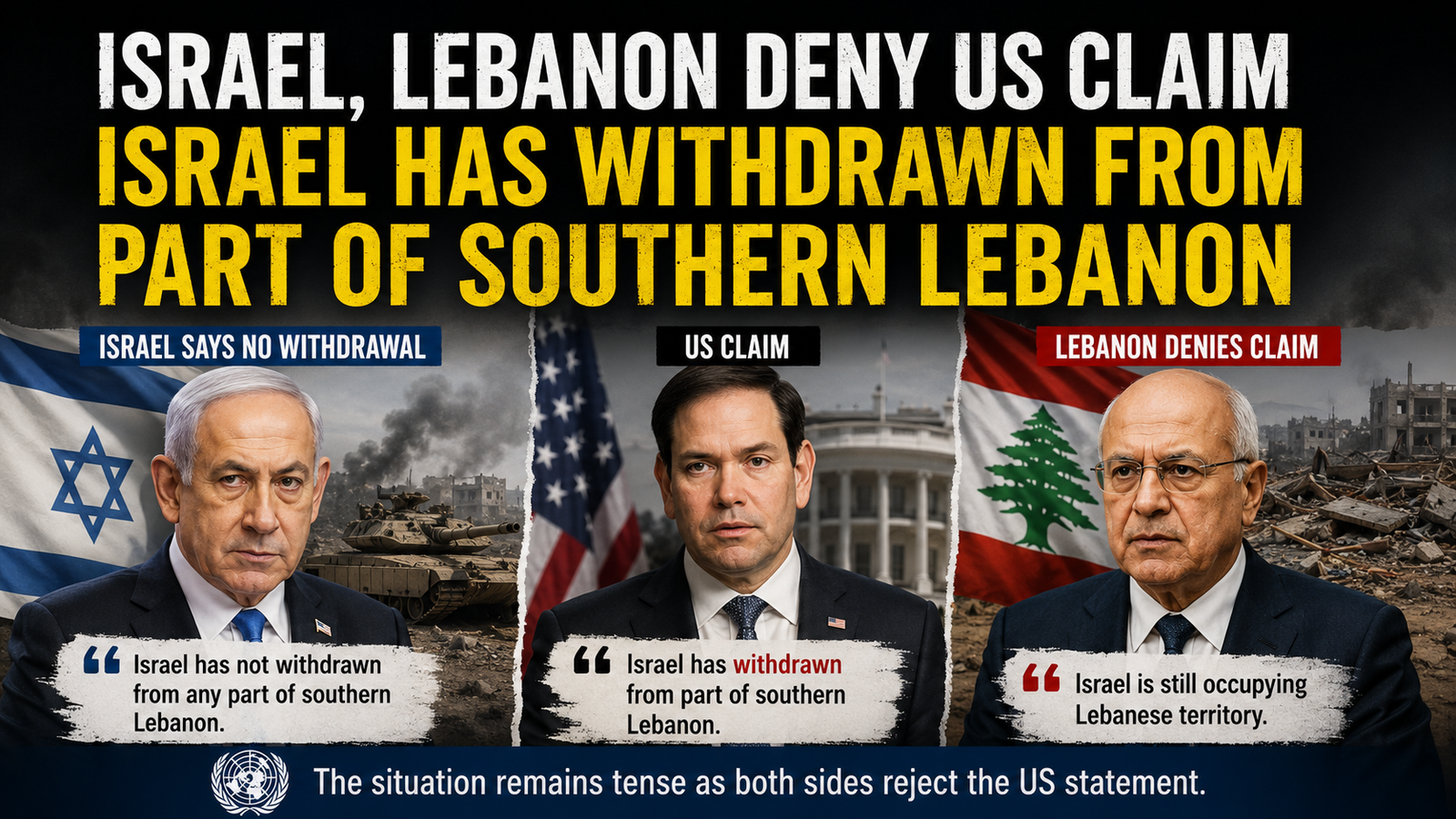
In recent times, the United States made claims that Israel has withdrawn from certain parts of southern Lebanon. However, both Israel and Lebanon have denied these claims, leading to confusion and raising questions about the actual situation on the ground. This article aims to provide an easy-to-understand explanation of this complex issue, helping readers grasp the background, current developments, and what to watch for going forward.
Historical Context: Why Southern Lebanon Matters
The border area between Israel and Lebanon, particularly southern Lebanon, has been a hotspot of conflict and military activity for decades. Understanding this background is essential to make sense of the current claims and denials.
The 2006 Lebanon War and Its Aftermath
In 2006, a major conflict known as the Lebanon War took place between Israel and Hezbollah, a militant group based in Lebanon. The war resulted in significant destruction and casualties on both sides. Following the war, the United Nations Interim Force in Lebanon (UNIFIL) was strengthened to help maintain peace and monitor the border region.
UNIFIL and the Blue Line
The UN established the so-called Blue Line, a border demarcation between Israel and Lebanon, to monitor the withdrawal of Israeli forces and ensure both sides respect the ceasefire. However, the Blue Line is not an official international border but rather a practical line for peacekeeping purposes. This has contributed to ongoing disputes and misunderstandings.
The Recent Claims and Denials
Recently, the US government stated that Israel had withdrawn from parts of southern Lebanon. This claim was unexpected given the sensitive nature of the area and the ongoing tensions. Both Israel and Lebanon quickly denied these claims, each maintaining their version of the facts.
Why the Discrepancy?
- Military Movements Are Difficult to Verify: The terrain in southern Lebanon is rugged and heavily militarised, making independent verification challenging.
- Political and Strategic Interests: Both Israel and Lebanon have reasons to present their own narratives to domestic and international audiences.
- Role of Third Parties: The US and UN often rely on intelligence and reports that may not be fully transparent or up to date.
What Readers Should Know
For ordinary readers trying to understand this issue, here are some important points to keep in mind:
1. The Situation Is Fluid and Complex
The military and political situation in southern Lebanon is dynamic. Movements of troops or changes in control can happen but may not be officially confirmed immediately.
2. Official Statements May Differ
Governments and organisations sometimes release conflicting information. It is wise to follow multiple credible news sources and official channels to get a balanced view.
3. Verification Is Challenging
Due to the sensitive nature of the region, independent observers often face difficulties in verifying claims about troop withdrawals or deployments.
4. The Role of International Organisations
UNIFIL and other international bodies play a key role in monitoring the border. Their reports and statements can provide valuable insights but may also be limited by access and political constraints.
How You Can Stay Informed and What to Watch For
If you want to keep track of developments related to Israel and Lebanon's border situation, here are some tips:
- Follow Reputable News Outlets: Look for updates from well-established Indian and international media that cover Middle East affairs.
- Check Official Statements: Monitor announcements from the governments of Israel, Lebanon, the US, and the United Nations.
- Understand the Context: Read background articles about the history of the Israel-Lebanon conflict and the role of UN peacekeeping missions.
- Be Cautious With Unverified Reports: Avoid sharing or believing claims without credible sources.
Conclusion
The dispute over whether Israel has withdrawn from parts of southern Lebanon is a reflection of the broader complexities and sensitivities in this region. While the US has made claims about such a withdrawal, both Israel and Lebanon deny it, underscoring the need for careful analysis and cautious interpretation of information.
As readers, understanding the historical context, the role of international organisations, and the challenges of verification can help make sense of conflicting reports. Staying informed through credible sources and recognising the fluid nature of the situation is key to grasping this ongoing issue.
"In areas of conflict like southern Lebanon, information can be as contested as the land itself. Patience and critical thinking are essential to understanding the truth."