What Was the Emergency in India?
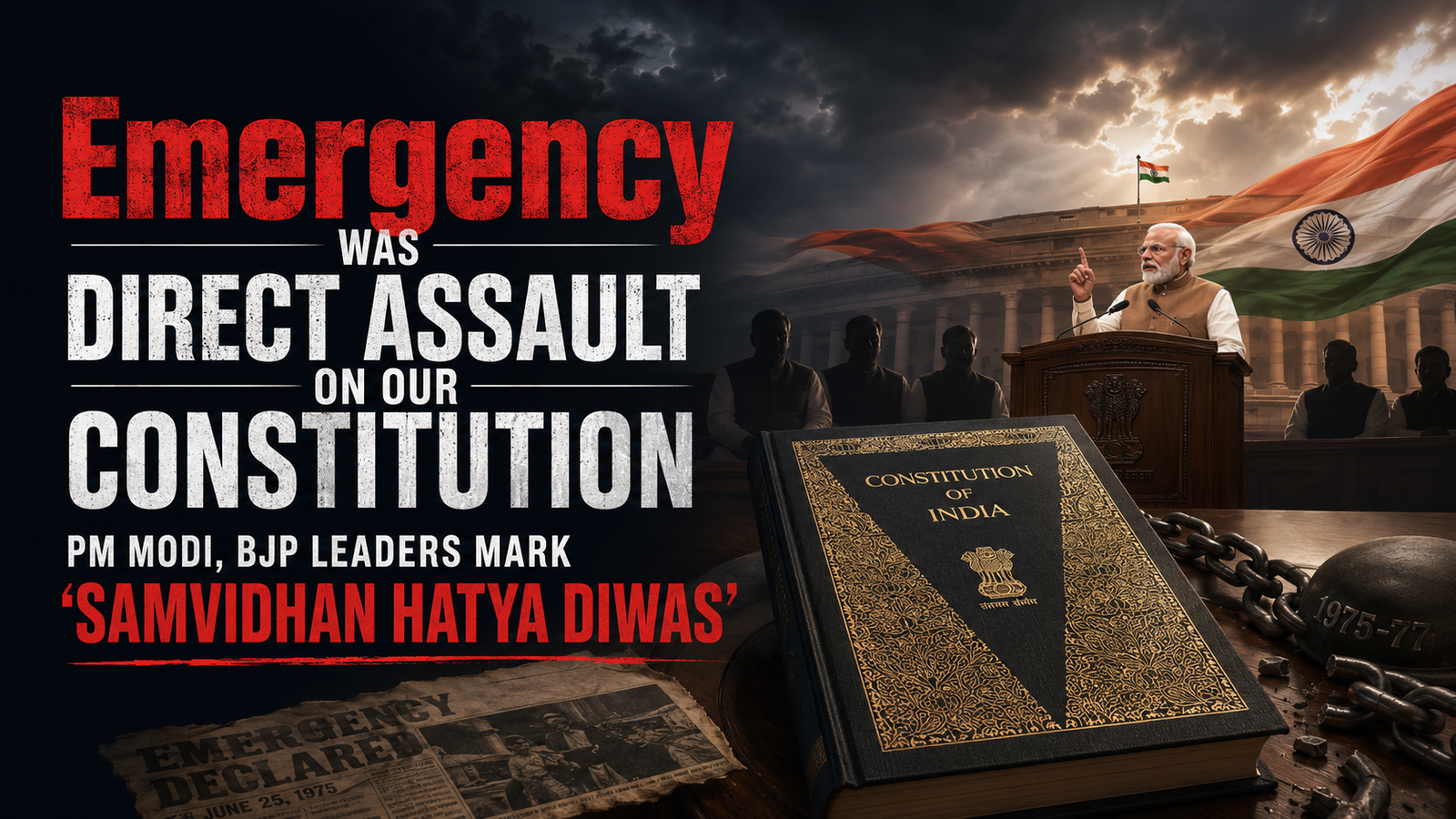
The Emergency refers to a 21-month period from June 25, 1975, to March 21, 1977, when then Prime Minister Indira Gandhi declared a state of emergency across the country. This move allowed the central government to assume extraordinary powers, including the suspension of fundamental rights guaranteed by the Indian Constitution.
Why Is It Called an Assault on the Constitution?
Many political leaders, including Prime Minister Narendra Modi and members of the Bharatiya Janata Party (BJP), refer to the Emergency as a "direct assault on our Constitution". But what does this mean?
- Suspension of Fundamental Rights: The Emergency led to the suspension of key fundamental rights such as freedom of speech, freedom of the press, and protection against arbitrary arrest. These rights are enshrined in the Constitution to protect citizens against state excesses.
- Misuse of Constitutional Provisions: The government used Article 352 to justify the Emergency. However, critics argue that the grounds for declaring Emergency were politically motivated rather than based on genuine threats to national security or public order.
- Undermining Democratic Institutions: During the Emergency, elections were postponed, opposition leaders were jailed, and the media was censored. This disrupted the democratic process and weakened institutions designed to uphold constitutional governance.
What Is 'Samvidhan Hatya Diwas'?
"Samvidhan Hatya Diwas" translates to "Constitution Murder Day". It is observed annually on June 25 to remember the day the Emergency was declared. The day serves as a reminder of the importance of protecting the Constitution and democratic values.
Political parties like the BJP and many civil society groups use this day to educate citizens about the dangers of authoritarianism and the need for constant vigilance in a democracy.
What Can Ordinary Citizens Learn from the Emergency?
The Emergency is a significant chapter in India’s democratic history. It teaches us several lessons:
- Value of Fundamental Rights: The suspension of rights during the Emergency highlights how crucial these protections are for individual freedom and democracy.
- Importance of Free Press: Media censorship during the Emergency showed how a free press acts as a watchdog against government overreach.
- Need for Institutional Checks and Balances: The Emergency period exposed the vulnerabilities in India’s democratic institutions and the need for robust safeguards.
- Citizen Vigilance: Democracy requires active participation and awareness from its citizens to prevent misuse of power.
How to Stay Informed and Protect Democratic Values?
As citizens, there are several ways to stay informed and contribute to the protection of India’s Constitution:
- Educate Yourself: Read about the Constitution, your rights, and the history of democracy in India from reliable sources.
- Engage in Discussions: Participate in community discussions and debates to understand different perspectives.
- Support Independent Media: Encourage and consume news from independent and credible sources to stay updated.
- Exercise Your Rights: Vote in elections and hold elected representatives accountable.
- Be Vigilant: Stay alert to any attempts to curtail freedoms or undermine democratic institutions.
Conclusion
"Samvidhan Hatya Diwas" is more than a remembrance day; it is a call to protect the democratic spirit of India. The Emergency period serves as a solemn reminder of how fragile democracy can be when constitutional safeguards are ignored or misused. By understanding this history, citizens can better appreciate the freedoms they enjoy and the responsibilities they hold to preserve them.
"The Emergency was a direct assault on our Constitution," said PM Modi, emphasizing that such times must never come again.
While political views on the Emergency may differ, the consensus remains that constitutional rights and democratic checks are vital pillars of India’s identity. Observing 'Samvidhan Hatya Diwas' is a way to honour these principles and ensure that the lessons of the past guide the future.