Introduction
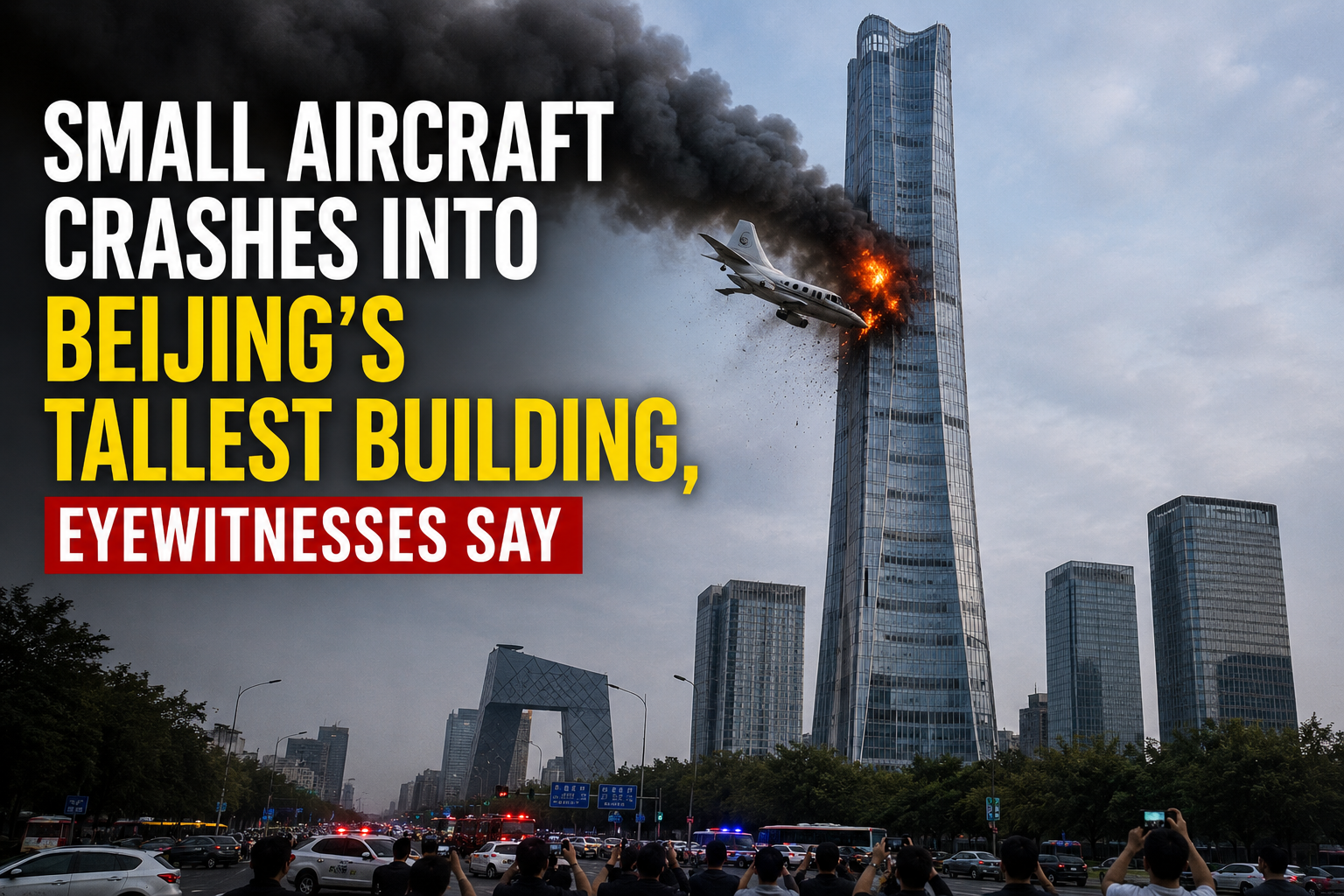
Recently, eyewitnesses reported that a small aircraft crashed into Beijing's tallest building. Such incidents naturally cause alarm and curiosity, especially when they happen in densely populated urban areas. While the details of this specific event may still be emerging, it is important to understand the broader context of small aircraft accidents near skyscrapers, the safety measures in place, and how citizens can respond responsibly.
What Are Small Aircraft and Why Are They Different?
Small aircraft generally refer to planes that are smaller than commercial airliners. These include private planes, training aircraft, and small cargo planes. They often operate at lower altitudes and can fly closer to urban areas compared to large commercial jets.
Common Uses of Small Aircraft
- Private travel and recreation
- Pilot training and flight schools
- Emergency medical transport
- Aerial photography and surveying
- Short-distance cargo delivery
Why Are Crashes Near Tall Buildings Uncommon?
Urban areas with skyscrapers have strict aviation regulations to minimise the risk of aircraft accidents. Some reasons these crashes are rare include:
- Controlled airspace: Cities have designated flight paths that keep aircraft away from densely populated areas and tall structures.
- Height restrictions: Buildings and towers are designed considering aviation safety, often with lighting and markings to alert pilots.
- Advanced navigation systems: Modern aircraft use GPS and radar to avoid obstacles and maintain safe altitudes.
- Air traffic control: Urban airports and airspaces are closely monitored to prevent collisions.
What Could Cause a Small Aircraft to Crash Into a Building?
Several factors might contribute to such an accident, but it's important to note that each case is unique and investigations take time. Possible causes include:
- Mechanical failure: Engine or control system problems can lead to loss of control.
- Pilot error: Mistakes in navigation, judgment, or communication may result in accidents.
- Weather conditions: Poor visibility, strong winds, or turbulence can affect aircraft stability.
- Medical emergencies: Pilot health issues during flight can impair control.
- Unexpected obstacles: Sudden changes in the environment or malfunctioning equipment.
What Eyewitnesses Can and Cannot Tell Us
Eyewitness accounts are valuable for initial information but have limitations:
- Can provide: Immediate observations about the event, sounds, and visible damage.
- Cannot confirm: Exact cause, pilot condition, or technical details of the crash.
- May vary: Different witnesses might see or interpret events differently.
Therefore, official investigations by aviation authorities are essential to establish facts.
What Happens After Such an Incident?
Following a small aircraft crash into a building, several steps typically occur:
- Emergency response: Firefighters, medical teams, and police secure the site and assist victims.
- Investigation: Aviation authorities and safety boards examine the wreckage, flight data, and other evidence.
- Building inspection: Structural engineers assess damage to ensure safety.
- Public communication: Authorities provide updates to keep citizens informed.
How Can You Stay Safe and Informed?
If you witness or hear about a similar incident, here are some practical tips:
- Stay calm: Avoid panic and wait for official information.
- Follow instructions: Listen to emergency services and follow their guidance.
- Avoid the scene: Do not crowd the area to allow responders to work efficiently.
- Verify information: Rely on official sources or trusted news outlets rather than rumours.
- Report responsibly: If safe, share only confirmed facts and avoid spreading unverified claims.
The Bigger Picture: Aviation Safety in Urban India
India’s growing cities and expanding air traffic pose challenges and opportunities for aviation safety:
- Urban planning: Incorporating aviation safety in city designs and building regulations.
- Technology adoption: Using advanced navigation and monitoring systems for better control.
- Training and awareness: Enhancing pilot skills and public understanding of aviation risks.
- Emergency preparedness: Improving response capabilities for urban aviation incidents.
Conclusion
While a small aircraft crashing into a skyscraper is a rare and alarming event, understanding the context helps us respond better. Aviation safety regulations, pilot training, and emergency systems work together to minimise such risks. Eyewitness reports are helpful but should be viewed cautiously until official investigations provide clarity. Staying informed through reliable sources and following safety protocols ensures that citizens can navigate such situations calmly and responsibly.
"Safety in aviation is a shared responsibility — from pilots and regulators to citizens and emergency responders."